
Understanding Asbestos Risks In Residential Structures
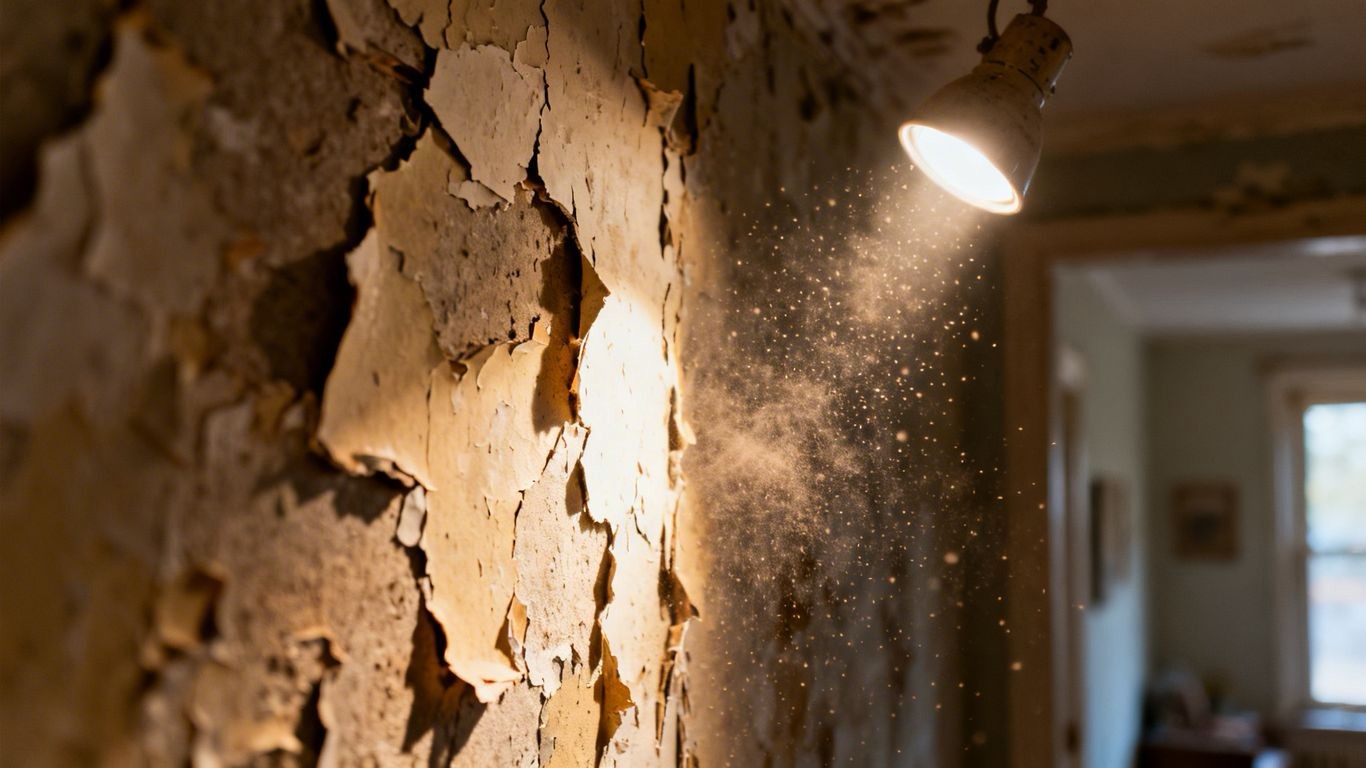
Asbestos is a name that still brings a chill to many. Used in construction for its fire resistance and durability, it hides in a lot of older buildings. The problem is, when disturbed, asbestos can break into tiny fibers. Breathing in those fibers puts people at risk for health problems that sometimes take years to show up. Families living in military housing are especially vulnerable, given the age and condition of many properties managed by private companies.
- Asbestos is found in insulation, floor tiles, roofing, and even joint compounds.
- Disturbed materials during repairs or renovations can release asbestos fibers.
- Service members report not being fully informed about the risks in their homes.
Historical Context Of Asbestos In Construction
Through much of the twentieth century, asbestos was used in military housing, just like other public buildings. Strict rules about asbestos didn’t appear until well after these homes were built. When privatization began and companies took over, many older units stayed in use without full upgrades. The history of asbestos in these environments is tangled up with the shift to private management and lingering oversight problems. According to one report covering Army housing in Hawaiʻi, risks around asbestos remain a concern even with new management strategies environmental risks and privatization.
Identifying Asbestos In Privatized Military Housing
For families, spotting asbestos isn’t simple. A lot of the time, it’s hidden in places you can’t see without opening up walls or ceilings. Unless a specialist checks the home, it’s tough to know for sure. Here’s what military families often face in these homes:
- Old ceiling textures and pipe wrappings that may contain asbestos.
- Repairs done without isolated containment, which can spread fibers.
- Limited information from property managers about what materials are in each house.
Despite advances in building safety, the threat of lingering asbestos hasn’t gone away, especially in the context of privatized military housing. Military families continue to push for more testing and transparency to keep their homes safe.
Health Implications Linked To Housing Conditions
Living in substandard military housing can have serious effects on the health of service members and their families. Many families report experiencing a wide range of physical and mental health issues that they believe are directly connected to the conditions in their homes. These problems aren’t just minor annoyances; they can significantly impact daily life and long-term well-being.
Documented Health Issues In Military Families
Numerous families have come forward with accounts of health problems that began shortly after moving into privatized military housing. These issues span various conditions, affecting multiple family members. Common complaints include respiratory problems, skin irritations, and persistent headaches. The pervasive presence of hazards like mold, mildew, and even asbestos in older homes contributes to these widespread health concerns. A significant percentage of service members report that their health has been negatively affected by their housing, with many stating that a medical provider has confirmed the link between their home environment and their illness. This suggests a systemic problem that requires immediate attention.
Physician-Confirmed Links Between Housing And Illness
It’s not just anecdotal evidence; a substantial number of service members have received confirmation from medical professionals that their housing conditions are making them sick. This validation from physicians underscores the severity of the situation. When doctors link symptoms to environmental factors within the home, it points to specific hazards that need to be addressed. These confirmed links often involve conditions exacerbated by poor indoor air quality, such as asthma and allergies. For families dealing with these issues, the lack of safe and healthy living spaces adds immense stress to an already demanding military lifestyle. Understanding the risks associated with materials like asbestos, which was common in construction, is key to identifying potential sources of these health problems. Families seeking to understand long-term outcomes for those diagnosed with asbestos-related illness can find firsthand accounts through mesothelioma survivor experiences and outcomes.
Impact On Children’s Health And Development
Children living in these homes appear to be particularly vulnerable. Reports indicate that young family members have developed serious conditions, including asthma and even vision problems, which parents attribute to their housing environment. The long-term effects on a child’s development and overall health are a major concern. Exposure to mold, poor ventilation, and other environmental toxins can have lasting consequences, potentially affecting cognitive abilities and physical growth. The stress and disruption caused by constant health issues and the need for frequent medical attention can also take a toll on a child’s emotional well-being and their ability to thrive. Reading stories from mesothelioma survivors can offer perspective on the extended health consequences families may face years after initial exposure.
Challenges In Addressing Housing Hazards
Dealing with hazardous conditions in privatized military housing often proves to be a frustrating and complex undertaking for service members and their families. The systems in place to address these issues are frequently found wanting, leaving residents feeling unheard and unsupported. The path to resolution is often fraught with obstacles, from bureaucratic hurdles to a lack of transparency.
Failures In The Dispute Resolution Process
The established process for resolving housing complaints, intended to be a clear path for service members, frequently breaks down. While the system outlines steps for reporting issues, escalating concerns, and seeking satisfactory outcomes, many families find themselves unable to complete the process or achieve a meaningful resolution. Data suggests that a vast majority of service members report issues, yet only a small fraction make it through the entire dispute resolution process. Even for those who do, a significant percentage report that their problems remain unresolved. This broken system can lead to prolonged exposure to hazards and immense stress for military families.
Inadequate Housing History Reporting
Accurate and complete housing history reports are vital for service members to understand the condition of a property before moving in. However, significant gaps exist in the reporting of these histories. Many service members receive incomplete or inaccurate information, hindering their ability to make informed decisions about their housing. This lack of transparency can obscure past issues, including potential asbestos exposure, making it difficult for families to advocate for their needs or understand the full scope of risks associated with their homes. The MOLD Act aims to address some of these reporting and remediation concerns.
Financial Burdens On Service Members
When housing hazards are not adequately addressed by property management, service members often bear the financial brunt. This can include out-of-pocket expenses for necessary repairs, pest control, mold inspections, and even temporary lodging when homes become uninhabitable. These unexpected costs can place a significant strain on military families’ finances, especially when reimbursements are slow or denied. The cumulative effect of these financial burdens, coupled with the stress of living in substandard conditions, can negatively impact a service member’s ability to focus on their duties and overall well-being.
The Role Of Privatization In Housing Oversight
Privatization has changed the way military housing is owned and managed, triggering both efficiency gains and a loss of direct accountability. Instead of government-managed homes, nearly all military family housing in the United States now falls under the control of private companies. This change was meant to improve housing through investment and modern management, but it often led to new oversight problems that still affect families today.
Shift To Private Ownership And Management
Starting in the mid-1990s, the Department of Defense moved away from running its own housing. By bringing in private companies, the military hoped homes would be kept up better, with fresh funding and expertise. But the result? Roughly 99% of military housing moved into the hands of these private landlords, who now rely on long-term leases and financial guarantees.
These long leases mean the military can’t easily step in if things go wrong — private companies have decades of assured revenue, no matter if there are recurring problems. Housing projects are built around 50-year agreements, making it tough for the Defense Department to cancel or even renegotiate deals when homes fall into disrepair. This kind of setup is much different from traditional landlord-tenant relationships, and it often leaves families stuck waiting for slow fixes.
Long-Term Agreements And Oversight Gaps
The system of decades-long legal agreements has a big downside: the authorities’ hands are tied if they want to push for better living conditions. When private managers control the physical property and much of the decision-making, it’s easy for oversight to get weaker over time. If families raise concerns, they sometimes find little help, as the government’s ability to step in is weakened by these contracts. Problems can include:
- Slow response to complaints or requests for repairs
- Lack of strict standards for routine inspections
- Delay or denial of deep-cleaning or maintenance requests
Even Senator Warren has pointed out that without the right tools for oversight, these arrangements let accountability slip, putting service members and their families at risk.
Impact On Defense Department Accountability
Privatization also changes who is on the hook when conditions are poor. Instead of direct responsibility, the Department of Defense relies on private landlords to uphold standards. This shift means that when families report mold, asbestos, or other hazards, it’s not always clear who will take charge of fixing the issue.
In many cases, routine problems go unresolved for long stretches. Military officials can find it tough to step in, since their agreements limit what action they can take. In the long run, this hands-off role erodes trust and safety — families expect the military to keep them safe, but the private system makes it harder to guarantee that trust.
Advocacy For Improved Housing Standards
Efforts are underway to push for better living conditions in military family housing, recognizing that current standards fall short. Advocates are working to introduce legislative changes and promote more consistent approaches to fixing housing problems. The goal is to create healthier homes for service members and their families.
Proposed Legislative Amendments For Healthier Homes
Several proposed laws aim to make military housing safer. One key proposal, the Healthy at Home on Base Act, would require the Department of Defense to study the effects of mold on health in both family housing and barracks. This kind of research is needed to understand the full scope of the problem. Advocates are also pushing for amendments to the defense policy bill for 2026. These changes are designed to address issues like mold and other indoor air quality hazards that families are facing. The aim is to move beyond temporary fixes and implement lasting solutions.
Seeking Uniform Remediation Standards
Currently, there isn’t a single, consistent way that housing problems are fixed across all military installations. This leads to different outcomes for families depending on where they are stationed. Advocates are calling for the adoption of uniform standards for how issues like mold and asbestos are cleaned up. This would mean that all military families, regardless of location, would receive the same level of care and attention when dealing with housing hazards. This push for consistency is a significant part of the effort to improve military housing safety. Families already dealing with diagnoses can also connect with mesothelioma survivor community resources for peer support and practical guidance.
Collaborative Efforts With Pentagon Officials
Beyond legislative action, there are ongoing conversations with officials at the Pentagon. These discussions are focused on finding long-term fixes rather than quick, temporary repairs. By working together, lawmakers, advocates, and defense officials hope to develop a more effective system for managing and maintaining military housing. This collaboration is seen as vital for making real progress and ensuring that service members and their families have safe and healthy places to live. Those facing a diagnosis can also find integrated information on mesothelioma prognosis and legal guidance to understand how prognosis affects legal timelines and compensation options.
Broader Ramifications For Military Readiness
The health and safety of service members and their families are directly tied to the effectiveness of the military. When housing conditions are poor, it can create a ripple effect that impacts overall military readiness. This isn’t just about comfort; it’s about the ability of our armed forces to perform their duties effectively.
Impact On Service Member Performance And Duty
Substandard housing, particularly issues like asbestos exposure, can lead to a range of health problems. These can include respiratory issues, chronic fatigue, and cognitive difficulties. When service members are dealing with these health challenges, their ability to focus, train, and perform their assigned tasks is compromised. For instance, a significant percentage of service members have reported that housing problems negatively affect their ability to do their jobs. In some cases, nearly 60% of those stationed in Florida reported such impacts. This directly translates to a less effective fighting force.
Mental Health Challenges Associated With Housing
Living in a home with known hazards like asbestos or persistent mold can take a serious toll on mental well-being. Service members and their families often experience increased levels of anxiety, depression, and stress. These mental health struggles can further impair a service member’s performance and their capacity to remain deployed or engaged in demanding military operations. The constant worry about health and safety in one’s own home is a significant burden that cannot be ignored when considering readiness.
National Security Implications Of Substandard Housing
Ultimately, the issues surrounding military housing, including the presence of asbestos, have national security implications. A military force whose members are frequently ill, stressed, or unable to perform at their peak is not a force that can effectively meet global challenges. The Defense Department has a responsibility to provide safe living environments, and failures in this area can undermine recruitment, retention, and the overall operational capability of our armed forces. Addressing these housing problems is not just a matter of family welfare; it is a matter of national security. Service members and families who have received a diagnosis tied to housing conditions can consult resources on understanding mesothelioma prognosis to better navigate what comes next. It’s important that these issues are addressed within the required 30-day timelines for environmental hazards.
