
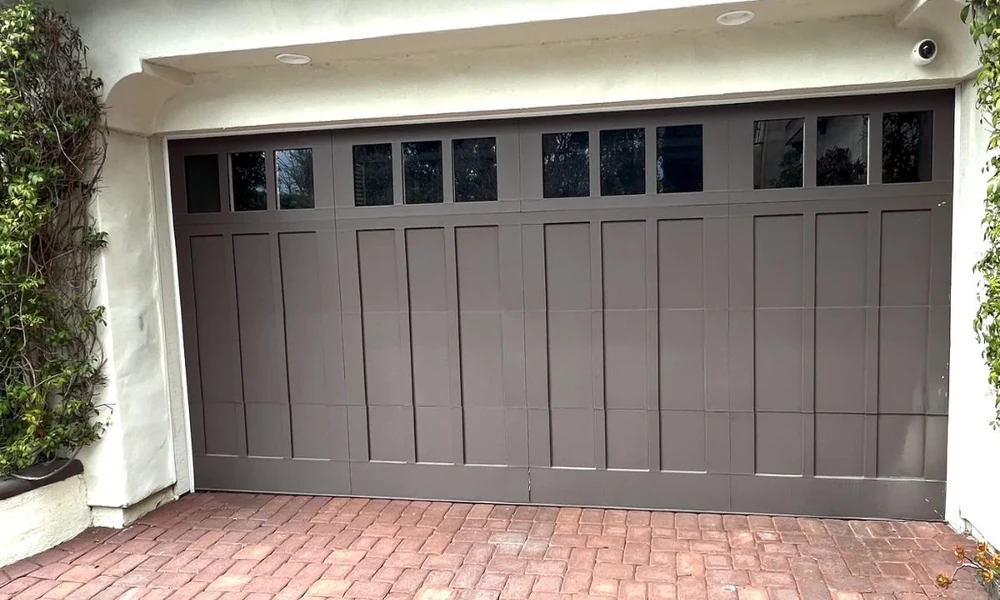
A garage door’s silent reliability is easy to take for granted, until the day a stubborn creak, a shuddering halt, or a sticky latch brings your routine to a standstill. It’s not just about convenience. The hardware behind every garage door plays a crucial role in safeguarding your home, preserving energy, and ensuring smooth daily life. When these components slip into disrepair, the effects ripple far beyond a simple annoyance.
The Evolution of Garage Door Hardware: From Basic to Complex Systems
Early Garage Doors and Their Simple Hardware
The first garage doors were rudimentary, little more than oversized barn doors with hefty hinges and a simple latch. Homeowners didn’t have to worry about motors, sensors, or weather stripping. However, these basic setups often left gaps for drafts and lacked any real physical security.
Introduction of Automated Openers and Advanced Mechanisms
With the arrival of electric openers in the mid-20th century, garage door hardware moved into a new era. The convenience was undeniable, but these new systems also introduced complex mechanical and electronic parts, springs, torsion bars, tracks, and motors, all requiring upkeep to maintain safety and function.
Modern Garage Door Hardware: Components and Innovations
Today’s garage doors are engineered systems. Modern doors integrate insulated panels, high-strength cables, advanced weather seals, and smart openers with Wi-Fi connectivity. Each element, from the smallest hinge to the largest opener, affects security, energy efficiency, and reliability.
How Faulty Hardware Develops Over Time
Common Causes of Wear and Damage in Garage Door Hardware
Garage door hardware faces constant stress. Daily cycles, exposure to weather, and even minor collisions can cause springs to weaken, rollers to wobble, and seals to degrade. Rust, dust buildup, and poor lubrication only accelerate this wear.
Signs and Symptoms of Failing Components
Symptoms often sneak up. Listen for squeaks, grinding noises, or irregular movement. Watch for doors that sag, hesitate, or fail to close flush with the ground. Even minor misalignments can signal underlying issues.
The Progressive Impact of Neglected Repairs
Small problems rarely stay small. A fraying cable or faulty spring can lead to sudden, hazardous failures. Damaged seals allow drafts and pests inside. Ignoring early warnings can mean both escalating repair costs and compromised safety.
Safety Risks Triggered by Defective Garage Door Hardware
Mechanical Failures and Their Threat to Physical Safety
A snapped spring or broken cable is more than inconvenient, it can be dangerous. Garage doors can weigh hundreds of pounds, and a sudden failure may cause the door to crash down unexpectedly, posing serious risk to anyone nearby. Malfunctioning sensors or uneven tracks can also pinch fingers or trap objects underneath.
Security Vulnerabilities from Compromised Hardware
Faulty locks, weakened panels, or broken openers turn a garage into a soft target. Most break-ins exploit points of least resistance. A single loose bolt or rusted hinge can make forced entry easier.
Impact on Emergency Situations and Quick Exit Routes
In emergencies, a functioning garage door may be a critical exit. Faulty hardware can jam the door, cutting off what should be an accessible escape route and putting household members at risk.
Efficiency Loss Linked to Hardware Malfunctions
Increased Energy Costs Due to Poor Insulation and Seal Failures
A damaged weather seal or warped panel lets cold winter air or summer heat seep in. The impact on your energy bill can be significant, especially for garages attached to the main residence.
Motor and Opener Strain from Faulty Parts
A misaligned track or dragging roller forces the opener motor to work harder. This not only increases wear on expensive parts but also shortens the life of your entire garage door system.
Consequences on Daily Convenience and Door Longevity
Repeated jams and stalls disrupt routine. Over time, constant strain leads to major system breakdowns, requiring costly replacement rather than simple fixes.
Repair and Maintenance: How Services Have Adapted Over Time
Traditional Repair Methods vs. Modern Diagnostic Tools
While a wrench and oil can solve basic squeaks, today’s diagnostics involve sensors, apps, and precision adjustments. Skilled technicians identify issues before they escalate, saving homeowners time and money.
The Role of 24/7 Professional Services in Preventing Long-Term Damage
Emergencies rarely keep business hours. That’s why services like Door Doctor service résidentiel offer round-the-clock repairs with highly trained professionals. Fast response is critical for restoring function and preventing further, costlier damage.
Preventive Maintenance Practices That Extend Hardware Life
Routine inspections, lubrication, and minor adjustments keep hardware running smoothly. Proactive maintenance addresses wear-and-tear before it becomes a problem, ensuring both safety and efficiency for years to come.
The Future of Garage Door Hardware and Home Safety
Emerging Technologies: Smart Sensors and Automated Alerts
Smart sensors now monitor vibrations, unusual movement, and remote operation. Automated alerts can warn of problems before they cause failures, increasing both convenience and peace of mind.
Eco-Friendly Materials and Energy-Efficient Designs
Manufacturers are increasingly using recyclable metals and better insulation, reducing the environmental footprint while enhancing energy efficiency at home.
Integrating Hardware Upgrades into Home Automation Systems
Garage doors are joining the smart home revolution. Integration with home security, lighting, and even voice assistants makes for seamless upgrades, boosting both safety and convenience.
Practical Steps for Homeowners to Protect Safety and Efficiency
– Perform seasonal visual checks: Inspect springs, cables, rollers, and seals.
– Listen for sounds out of the ordinary: Any new noises may indicate hardware stress.
– Do not attempt major repairs yourself: Spring and cable repairs should be left to professionals to avoid injury.
– Schedule annual professional maintenance: Early intervention prevents bigger issues.
– Keep tracks clean and lubricated: Basic cleaning can prevent buildup that strains moving parts.
Conclusion: The Continuous Importance of Garage Door Hardware Care
Garage door hardware is far more than an afterthought, it’s the first line of defense for your home, your energy bill, and your peace of mind. Small faults can quickly balloon into safety hazards and financial burdens. Prioritizing timely repairs and regular upgrades is the simplest way to ensure your garage door remains a reliable, efficient, and safe part of your home.
