
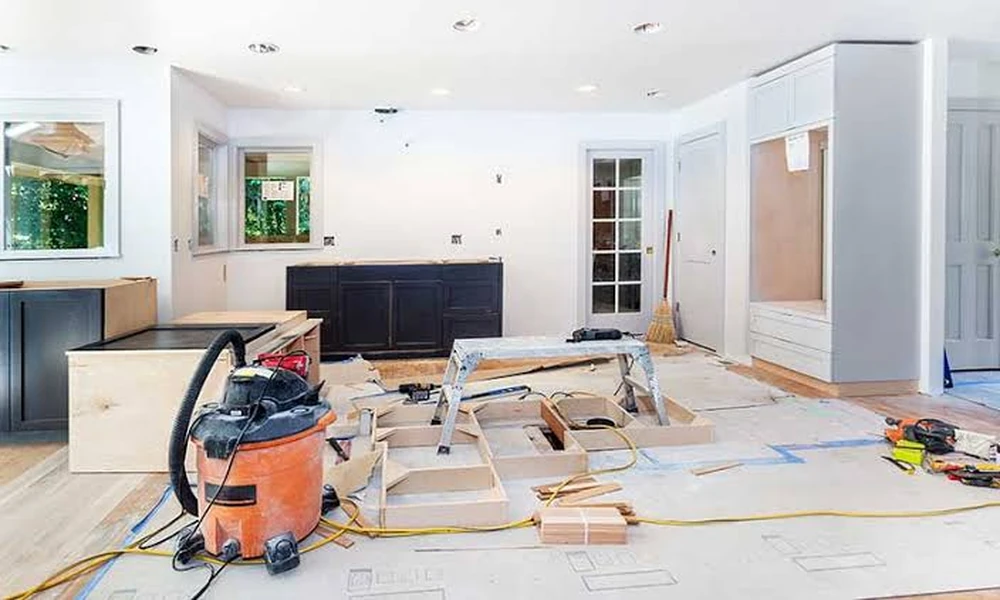
Selecting new countertops is one of the most influential decisions in a kitchen or bathroom renovation. While homeowners often focus on color and material, long-term performance depends just as much on planning, fabrication, and installation quality.
A skilled Countertops Installer doesn’t simply place a slab on top of cabinets. Proper installation requires accurate measurements, substrate evaluation, seam planning, support requirements, and precise leveling. Small errors during installation can affect appearance, durability, and maintenance for years.
This guide examines countertop selection through measurable factors that influence long-term performance rather than short-term trends.
Material Performance: Compare Function Before Appearance
Different countertop materials excel in different environments. Before selecting a surface, evaluate how the space will actually be used.
FACT BOX
When comparing countertop materials, prioritize:
- Scratch resistance
- Heat resistance
- Stain resistance
- Moisture resistance
- Maintenance requirements
- Repairability
| Evaluation Factor | Why It Matters |
| Daily durability | Reduces visible wear over time |
| Moisture resistance | Protects against water damage in kitchens and bathrooms |
| Maintenance needs | Influences long-term ownership costs |
| Repair options | Determines how easily damage can be corrected |
| Edge durability | Affects resistance to accidental impacts |
Material specifications published by manufacturers provide useful performance information, but installation quality remains equally important. Even premium materials may underperform if seams, supports, or leveling are not executed correctly.
Statistical Summary
Projects that define performance requirements before selecting colors typically make material choices that better match long-term household needs.
Why Installation Quality Matters as Much as Material Quality
A countertop performs as a complete system rather than as an individual slab.
An experienced Countertop Contractor evaluates cabinet stability, wall conditions, appliance clearances, sink support, and overhang requirements before fabrication begins. These factors influence both structural performance and finished appearance.
FACT BOX
Professional installation generally includes evaluation of:
- Cabinet levelness
- Wall alignment
- Template accuracy
- Seam placement
- Sink and cooktop cutouts
- Support for overhangs
| Installation Stage | Primary Objective |
| Site measurement | Verify dimensions |
| Digital or physical templating | Ensure fabrication accuracy |
| Fabrication | Produce finished countertop components |
| Installation | Align, secure, and finish surfaces |
| Final inspection | Confirm fit, function, and finish quality |
Accurate templating reduces the likelihood of field modifications and helps ensure that finished countertops align properly with cabinetry and adjacent surfaces.
Statistical Summary
Measurement accuracy during the templating stage has a direct influence on fabrication precision and installation efficiency.
Budget Planning and Project Coordination
Countertop costs extend beyond the slab itself.
Homeowners should evaluate the complete project scope before comparing proposals.
FACT BOX
A countertop estimate may include:
- Material
- Fabrication
- Edge finishing
- Sink cutouts
- Installation
- Removal of existing countertops
- Delivery
- Warranty
| Budget Consideration | Planning Benefit |
| Detailed scope of work | Easier proposal comparison |
| Material availability | Better scheduling |
| Lead times | Fewer project delays |
| Cabinet readiness | Prevents installation rescheduling |
| Contingency budget | Covers unexpected adjustments |
Many homeowners also seek Remodel Home Assistance before beginning a larger renovation. Planning support can help coordinate countertops with cabinetry, flooring, plumbing, and appliance installation so that each stage of the project occurs in the correct sequence.
Statistical Summary
Projects that coordinate cabinetry, countertop fabrication, and appliance specifications before installation generally experience fewer scheduling conflicts and change orders than projects planned in separate phases.
Long-Term Value Depends on Planning
Countertops are among the most frequently used surfaces in a home. Their long-term value depends on selecting materials appropriate for the household and ensuring those materials are installed correctly.
FACT BOX
For lasting performance:
- Match the material to your lifestyle.
- Verify cabinet readiness before templating.
- Review seam locations before fabrication.
- Understand maintenance requirements.
- Confirm warranty details before installation.
| Long-Term Goal | Recommended Planning Approach |
| Everyday durability | Prioritize performance over appearance alone |
| Easier maintenance | Choose materials suited to expected use |
| Reliable installation | Work with experienced professionals |
| Better project coordination | Finalize measurements before fabrication |
| Lasting satisfaction | Focus on function, quality, and craftsmanship |
Statistical Summary
The most successful countertop projects combine three elements: careful planning, appropriate material selection, and precise installation. When these factors work together, homeowners are more likely to achieve a finished surface that remains attractive, functional, and durable for many years.
