
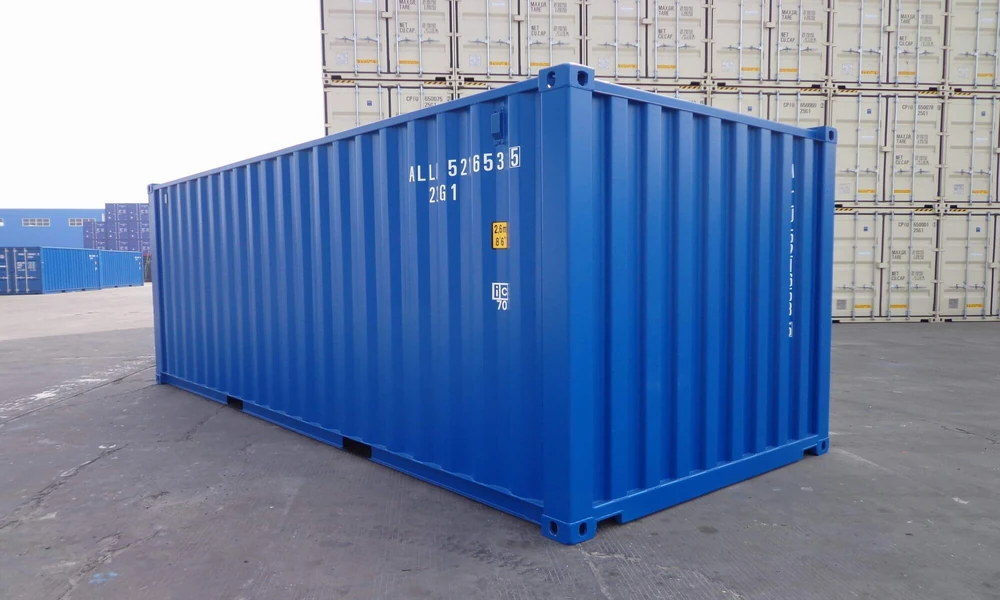
You already know what a shipping container is and what it can do. What you want is a clear way to decide if a used unit makes sense for your project and your budget. I work with buyers who need practical storage, workspace, and site solutions, and I build recommendations around cost, risk, and fit for purpose. If you want to see real inventory and condition grades in Montana, look at MoCan Containers’used shipping containers for sale to ground your expectations.
In this guide, I will show you when a used container delivers strong value, how to inspect one, how to plan for delivery, and how to choose a seller you can trust. You will leave with a short plan you can follow from decision to delivery.
The Case for Buying Used
If you want secure, weatherproof storage at a lower price, a used container is a smart buy. Steel construction and a rigid frame make these boxes last for years with basic care. Minor dents and faded paint do not stop a unit from doing its job.
Used containers shine for:
- On-site storage of tools, materials, or inventory
- Farm and ranch supplies
- Remodeling and moving projects
- Basic workshops or hobby spaces
- Seasonal retail overflow
The value comes from structural integrity and lockable doors at a fraction of the cost of a new unit. I look for wind and water tight seals, straight frame lines, and clean floors. If those check out, a used unit delivers strong return on your money.
When a New Container Makes More Sense
New one-trip containers cost more, but they have a clean look and tight seals. Choose new if:
- You need a professional appearance for customers or a storefront
- You plan a high-finish office or retail build-out
- You want the longest service life with the least cosmetic work
- You expect frequent moves or re-sales and want top resale value
If your use is storage in a yard or behind a building, a sound used unit is often enough. If the container will sit in a visible location or hold valuable equipment with sensitive surfaces, lean new.
How to Inspect a Used Container
Never skip an in-person look. I suggest this simple checklist:
- Doors: Open and close both doors. Check that lock rods turn, hinges move, and the doors seal tight against the gaskets.
- Roof and walls: Stand inside at midday, close the doors, and look for pinholes of light. Walk the roof if allowed and check for soft spots or deep dents that could hold water.
- Corners and frame: Inspect corner castings and bottom rails for deep rust, bends, or weld repairs. The container should sit square without twists.
- Floor: Look for soft or dark patches in the marine plywood. Step around and feel for spongy spots.
- Rust: Surface rust is fine. Flaking rust, holes, or heavy pitting along structural members is a red flag.
- Smell and prior cargo: Avoid strong chemical odors. Ask what the container carried. You want dry, neutral storage history.
- Seals and hardware: Check door gaskets for cracks. Confirm lock-box hardware is present if you need extra security.
Take photos, write notes, and compare two or three units before you decide. Pick the exact container you want, not a “grade.”
Fit and Sizing for Your Site
Most buyers pick between 20-foot and 40-foot units.
- 20-foot: Easier to place in tight spots at homes, small businesses, and job sites. It works well for tools, furniture, and smaller equipment.
- 40-foot: Better for bulk storage, larger inventory, or big projects. It can replace two smaller sheds with one secure space.
Plan for delivery space:
- About 70 feet of straight, clear space for a 20-foot container
- About 100 feet for a 40-foot container
- Solid, level ground free of soft spots
- Overhead clearance for trees, wires, and eaves
Have timbers or concrete blocks ready to set the container level. That helps doors stay aligned and floors stay dry.
Budget Math That Keeps You Honest
Do not look at purchase price alone. Add these items:
- Purchase cost
- Delivery fee
- Site prep and leveling
- Basic maintenance like paint touch-ups and seal checks
- Any modifications, shelves, vents, or power
- Potential resale value
Used units usually win on total cost if your needs are storage and light workspace. New units win on appearance, long-term finish, and resale.
Why I Point Buyers to MoCan Containers
You want a seller with real inventory, straight answers, and professional delivery. MoCan Containers checks those boxes.
They are a locally owned, family-run company with yards in Billings and Bozeman. That matters because you can visit, inspect, and choose your exact container. Their used inventory is inspected for wind and water tight condition. Doors seal, units lock, and floors hold up. You can pick from 20-foot and 40-foot sizes, and you can ask about standard-height or high-cube options in the larger size.
They support a wide mix of needs across Montana, including residential storage, ranch and farm use, and construction sites. If you are not ready to buy, they offer rentals with clear monthly pricing on 20-foot and 40-foot units. They also provide tilt-bed delivery and precise placement, which saves you headaches on delivery day. If you want to customize, they offer modification services that make a container work as a shop, office, or other project space.
What sets them apart in practice is access to inventory, the ability to hand-pick a unit, and delivery that respects your site plan.
A Simple Buying Plan You Can Follow
Use this step-by-step plan to move fast without mistakes:
1. Define purpose and capacity. List what you will store and how often you will access it.
2. Pick size and height. 20-foot for tight sites, 40-foot for volume. Consider high-cube if you need extra headroom.
3. Choose new or used based on appearance needs, planned modifications, and budget.
4. Inspect at the yard. Use the checklist and select your exact unit.
5. Prepare the site. Confirm access distances, ground conditions, and level points.
6. Schedule delivery. Share entry routes, contact info, and a marked placement spot.
7. Maintain the container. Keep it level, touch up paint, and check seals each season.
Final Take
Used shipping containers are worth buying if you inspect them well and buy from a seller who stands behind condition and delivery. For most storage and light workspace needs, a sound used unit gives you secure, weatherproof space at a smart price. If you need a clean look for customers or a polished build-out, new is the better fit.
If you want a straightforward path from yard visit to set-in-place delivery in Montana, MoCan Containers is a strong option to consider. They keep quality stock, let you choose your unit, and handle delivery with care. That combination makes your decision easier and your project smoother.
