
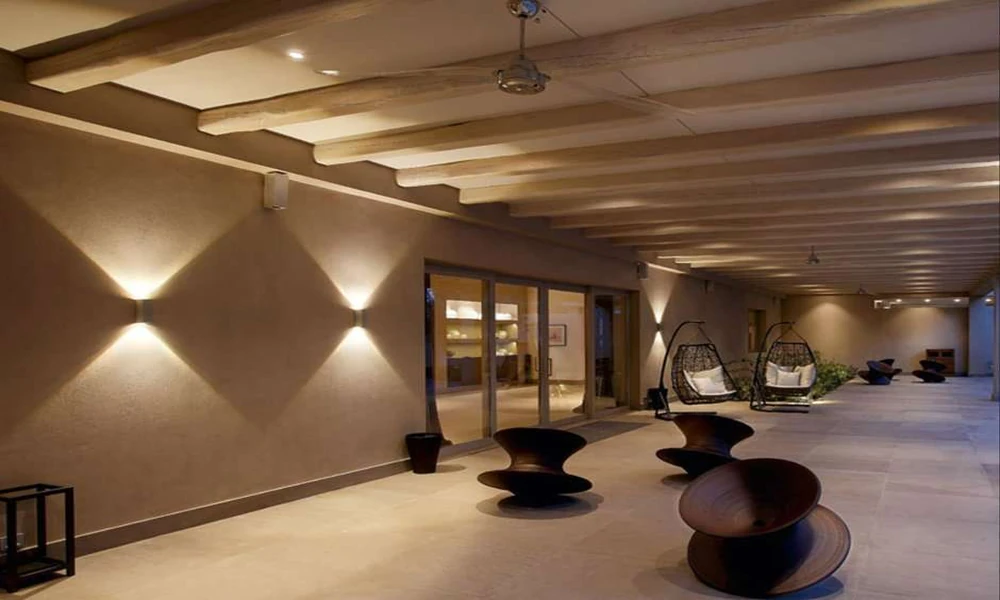
The moment you step into a thoughtfully lit room, you feel it, energy, warmth, clarity, or calm. Lighting wields a quiet power over our daily experiences, yet its importance is often underestimated until the shadows fall in the wrong places or a harsh bulb ruins the mood.
The Challenge of Ineffective Lighting in Interior Spaces
Dim corners. Glaring overheads. Spaces that feel flat, sterile, or simply uncomfortable. Many interiors suffer from common lighting missteps: fixtures placed without strategy, the wrong color temperature, or a lack of variety in sources. These errors may seem subtle, but their effects ripple through every interaction with a space.
How Poor Lighting Affects Mood, Productivity, and Aesthetics
The consequences go well beyond simple inconvenience. Poor lighting can sap energy and focus, strain the eyes, and even undermine mental well-being. A kitchen that is too shadowy for safe food prep, a living room lit only by a single harsh fixture, or a bedroom drowned in blueish light each betrays its purpose. In professional environments, inadequate lighting can slow productivity and dampen morale. At home, it can leave spaces feeling lifeless or tense.
Principles of Purposeful Lighting Design
As designers and homeowners have come to recognize, the best interiors harmonize form and function through intentional lighting.
Balancing Form and Function: What Makes Lighting “Purposeful”?
Purposeful lighting takes into account how a room is used and who is using it. It doesn’t just illuminate; it creates atmosphere, highlights architecture, and supports tasks. Instead of relying on a single light source, the most successful designs layer several types to adapt to changing needs and times of day.
Understanding Light Quality: Intensity, Color Temperature, and Distribution
Light can be warm and cozy, cool and alert, or anything in between. Intensity (brightness), color temperature (warmth or coolness), and evenness of distribution all play a role. For example, a reading nook benefits from a focused, warmer light, while a workspace calls for brighter, cooler tones that reduce eye strain and improve accuracy.
Layering Light: Ambient, Task, and Accent Lighting Explained
– Ambient light provides general illumination, often through ceiling fixtures or recessed lighting.
– Task lighting delivers focused light for specific functions, such as a desk lamp or under-cabinet strips in the kitchen.
– Accent lighting adds drama by highlighting artwork, textures, or architectural features.
By combining these layers, a space can shift seamlessly from bright and active to soft and intimate.
Choosing Lighting Solutions Tailored to Space and Activity
No two spaces demand the same lighting. The needs of a bustling kitchen contrast sharply with those of a tranquil bedroom.
Assessing Room Function and User Needs
Start by observing how each space is used throughout the day. Consider who uses the room, what tasks they perform, and what mood is desired at different times. A home office benefits from even, glare-free light, while a dining area may call for adjustable fixtures that create ambiance for both casual meals and evening gatherings.
Selecting Fixtures That Complement Interior Style and Purpose
Fixture choice matters. Sleek pendants suit modern kitchens, while ornate chandeliers might crown traditional dining rooms. The right fixture does double duty: it enhances the aesthetic and supports the intended use of the space.
Energy Efficiency and Sustainability Considerations
LED technology has transformed the landscape, offering efficiency, long life, and flexible features. Choosing fixtures and bulbs rated for low energy use not only lowers bills but also aligns with sustainable values.
Transforming Specific Spaces with Functional Lighting
Lighting strategies shift with the requirements of each room.
– Living Areas: Flexible layers allow for both lively gatherings and quiet evenings. Floor lamps, dimmable fixtures, and small accent lights provide options to match any occasion.
– Kitchens and Workspaces: Bright, shadow-free task lighting ensures safety and precision. Under-cabinet lighting eliminates dark zones, while pendant lights over islands add style and function.
– Bedrooms and Relaxation Zones: Softer, warmer tones foster relaxation. Consider bedside sconces with adjustable arms or smart bulbs that shift color as bedtime approaches.
– Bathrooms: Balanced illumination is vital for grooming, but accent lights can transform the space into a soothing retreat.
Integrating Smart Lighting Technologies for Enhanced Control
Smart lighting offers unprecedented flexibility. Automation allows lights to adjust with the sun, follow preset schedules, or respond to voice commands. Scenes can be saved for everything from movie night to morning routines, making it easier to match light to activity.
Overcoming Common Lighting Design Challenges
Limited natural light, unwanted glare, and tight budgets all pose challenges. Mirrors and reflective surfaces amplify available light, while thoughtfully placed shades and dimmers manage glare and intensity. Cost-effective solutions include swapping bulbs, adding inexpensive stick-on LEDs, or repositioning existing fixtures for better coverage.
Taking Action: Steps to Implement Purposeful and Functional Lighting
Begin with a lighting audit, walk through your space at various times, noting where light falls short or feels excessive. Decide whether to consult a professional or tackle upgrades yourself. Regularly dusting bulbs and swapping out old or mismatched fixtures keeps lighting performance at its peak.
Inspiring Examples and Trends in Lighting Design
Across the design world, successful projects combine creativity with technical savvy. Some turn to resources like Avant-Scene lighting for guidance and inspiration, drawing on expertise in both contemporary trends and functional requirements. New trends include tunable white lighting that adjusts throughout the day and minimalist fixtures that blend seamlessly with architecture.
Great lighting transforms not just the look of a space, but the way it feels and functions. By embracing purpose and thoughtful design, anyone can create interiors that truly shine.
