
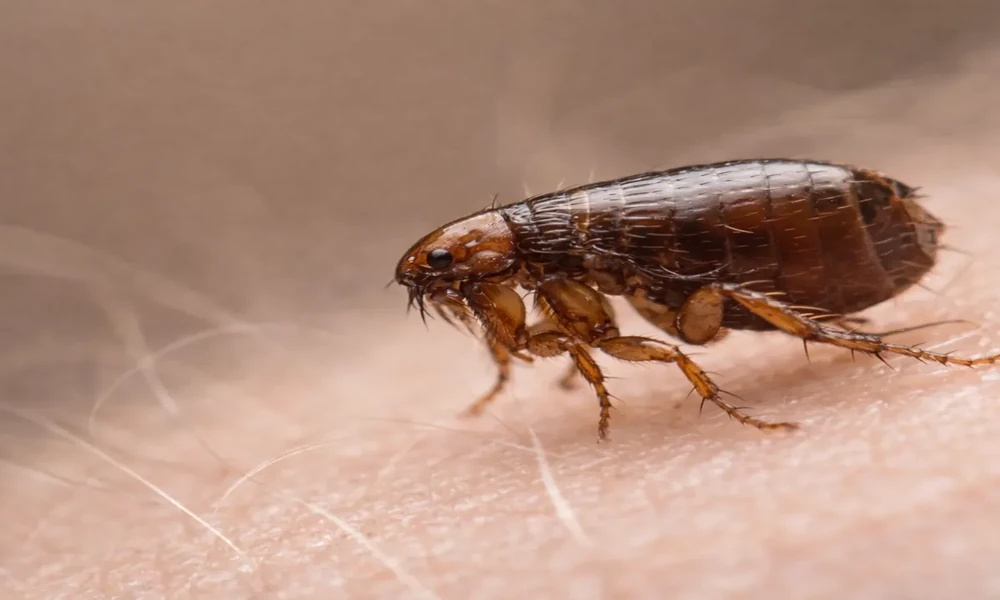
Seeing a few fleas on a pet can mean eggs and larvae are already hiding in the carpet, pet bedding, or shaded spots in the yard. Huntsville’s mild winters also give fleas plenty of chances to survive, especially indoors where warmth lets them stay active. By the time family members start getting bitten, fleas may have been developing around the home for weeks. That’s often when people seek flea control Huntsville, AL.
Why Most Fleas Are Never on the Pet
The fleas found on a pet make up only part of the problem. Fleas pass through four life stages, and most of that development happens away from the animal:
- Eggs. A female lays up to 50 a day. They do not stick to the pet and drop into carpet, cracks, and soil all over the house.
- Larvae. The hatchlings move away from light and burrow into carpet fibers and ground cover, feeding on dried blood and debris.
- Pupae. A sticky cocoon shields this stage, and it can wait days or months for a host to pass by.
- Adults. About 5 percent of the population, these are the biting fleas a person notices.
Killing the adult fleas won’t clear an infestation on its own. Eggs and pupae remain in carpets, bedding, and other hiding places, and new fleas can emerge after the first treatment. In warm weather, the life cycle can take as little as two to three weeks, allowing flea numbers to climb quickly.
How Mild Alabama Winters Extend the Season
North Alabama rarely gets the long, deep freezes that kill off many outdoor fleas. In Huntsville, they can survive in sheltered spots beneath decks, inside crawl spaces, and under piles of leaves. Heated homes give them a place to keep breeding through winter, too. Pets can carry new fleas inside after spending time in the yard, while stray cats and wildlife such as raccoons and opossums may leave eggs behind where they rest. Treating the house alone may not solve the problem if fleas keep coming in from outside.
How Fleas Can Affect People and Pets
A pet that keeps scratching may have more than an itchy skin problem. Fleas can pass tapeworms to dogs and cats if swallowed, and a severe infestation can leave puppies and kittens anemic from blood loss. People usually notice flea bites around their ankles, where the itchy bumps can appear in clusters. Fleas also carry bacteria associated with murine typhus and cat scratch disease. These infections are uncommon, but an ongoing flea problem can still leave both pets and family members uncomfortable.
Signs of Fleas Around the Home
Pets may start scratching, biting at their fur, or licking themselves more often when fleas show up. Check around the belly and base of the tail for moving insects or tiny black grains. Place the grains on a damp paper towel. If they leave reddish-brown marks, they may be flea dirt made from digested blood. Cats can pick up fleas even if they never go outside, since the cat flea commonly infests both cats and dogs. You might spot the first sign on your own skin, too, with itchy bites around the ankles. Catching these clues early makes the infestation easier to bring under control.
Getting Fleas Out of the House and Yard
Treating the pet alone leaves fleas in the places where they lay eggs and develop. A vet can recommend a flea product for the animal, while hot-washing pet bedding and vacuuming carpets, floor cracks, and spaces beneath furniture helps remove eggs and larvae. Empty the vacuum outdoors after each use. Foggers may miss fleas tucked into narrow gaps, and pupae can survive until new adults emerge. Outside, check shaded areas where pets rest, especially spots that stay damp. Palisade Pest Control treats indoor and outdoor flea sources, with follow-up visits to check for newly emerged fleas.
Keeping Fleas From Returning
Pets can bring fleas inside after a walk or time in the yard, and stray cats or wildlife may leave them near the house. Keep pets on a vet-recommended flea prevention plan, wash their bedding regularly, and check the spots where they sleep outdoors. Huntsville’s mild winters mean flea checks still matter when temperatures drop. Catching a few fleas early is easier than dealing with eggs and larvae scattered through the home.
