
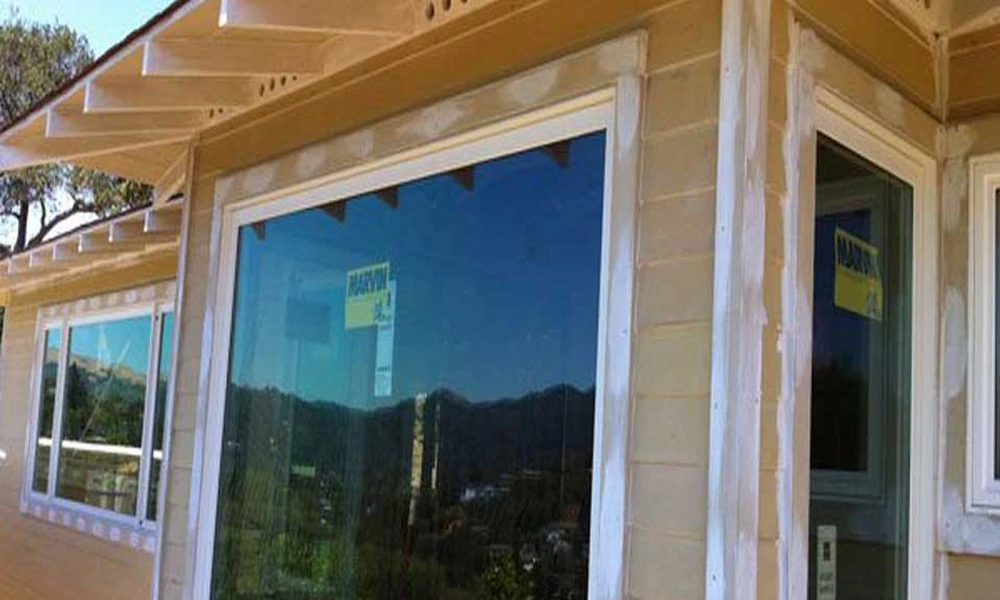
Twin Falls lies in a high-desert climate where summer afternoons can reach the high 80s and low 90s while winter temperatures regularly fall below freezing. Those seasonal changes, along with strong winds, can be hard on older windows. Glass, seals, and frames all have to cope with conditions that put less strain on windows in milder climates.
Older windows can make those temperature swings more noticeable indoors. When the glass or seals have started to wear out, a room may lose heat faster in winter and pick up more heat during summer. Nu-Vu Glass works with homeowners who are dealing with older or failing windows that no longer provide the same level of insulation they once did.
Nu-Vu brings decades of experience to window projects in the Magic Valley. Its residential services give Twin Falls homeowners a place to explore window options and have the work measured and installed by a local company.
How Temperature Changes Affect Older Windows
Large temperature changes make glass and framing expand and contract. Repeated expansion and contraction can wear on older insulating-glass units over time. When a seal fails, moisture can enter the space between the panes, leaving the window less effective at insulating the home.
A window can still open and close normally even after its insulating performance has declined. Fogging between the panes is one clue, while drafts or a room that feels different from the rest of the house can point to other problems.
Wind Can Make Window Problems More Noticeable
Cold air around a window is easier to notice when Twin Falls winds are strong. Worn weatherstripping, loose frame sections, or aging seals can let air through, leaving a draft near the glass or making one room feel colder than the others.
Windows on the exposed sides of a home can take more direct wind, especially where there are few trees or nearby buildings to block it.
What An Energy-Efficient Window Can Change
- Low-E coatings. They can help keep unwanted solar heat out during summer and indoor heat in during winter.
- Argon or krypton. These gases slow heat movement through the window and add insulation.
- A good seal around the frame. A sound seal helps keep outside air from getting through gaps around the window.
- Multiple panes of glass. Double- and triple-pane windows add more separation between indoor and outdoor temperatures.
These features work together to improve insulation, reduce heat transfer, and make indoor temperatures more comfortable through Twin Falls’ changing weather.
Signs A Home’s Glass Isn’t Keeping Up
Condensation forming between panes is one of the clearest signs that a window seal has failed. Drafts near the frame on a windy day can point to worn seals, gaps, or other air-leakage problems. A room that stays colder in winter or warmer in summer than the rest of the house can also point to a window that is no longer insulating well.
Older frames deserve attention too. Cracked caulking, damaged weatherstripping, and deteriorated frame sections can let air move around the window even when the glass itself is still in reasonable condition.
Choosing Glass for Twin Falls’ Climate
Not every window in a home faces the same conditions. A large window may need a different solution from a smaller one, and the direction it faces can matter too. South- and west-facing glass gets more afternoon sun, while windows on exposed sides of the house may deal with more winter wind. The right glass may not be the same throughout the house. A few windows may stand out as the biggest source of heat loss or unwanted heat, making them a good place to start.
